


My imPOTENCE

for child and adolescent resilience

Pilot study
on the resilience of children and adolescents
Step one: "I can't"
The situation is dire – and all available research on the mental health of children and adolescents in Poland confirms this.
Studies by CBOS and other institutions from 2021-2022 clearly pointed to worsening problems – anxiety, depression, and a sense of helplessness.
That is why we have been working so hard to find ways to support the development of protective factors that can act as a shield for young people – not by guaranteeing a life without difficulties, but by providing the strength to face them. We focused our efforts on the concept of resilience.
We define resilience as a set of skills and traits that allow children and adolescents to better cope with challenges. Resilience consists of: an optimistic outlook and energy, awareness of personal strengths and tolerance for difficult emotions, perseverance and determination, a sense of humor, and openness to new experiences.
In 2022, the Foundation conducted a pilot study on the resilience of children and adolescents aged 12–18.

The results from our pilot group in the Upper Silesian Industrial Region were consistent with nationwide findings.
A low level of resilience was found in as many as 42% of the children and adolescents surveyed.
When we added data on low mood (31%) and difficulties in expressing emotions and needs (27%), we saw a troubling picture of a deepening mental health crisis.

Research report
Discover the findings from our pilot study on youth resilience in the Silesian Voivodeship and see which actions truly support mental toughness
Download the full report >>Step two:
"When does it get a little better?"
Step three:
"Maybe I'll give it a try"
Step four:
"The hardest part is the first one"
Thinking about a problem on a global scale is paralyzing.
Every solution seems too small to make a difference. That is why we act locally. We test, we check, we talk. And then, we implement.
And we ask: When is it even a little bit better?
What happens when young people start to react, engage, and say that they have more energy, joy, and hope?
Our experience shows that the "magic" begins when children and youth gain a sense of community and agency.
When they feel that an adult—even one who seems wiser and stronger—believes in them, sees their strength and goodness, and appreciates how they are coping with this difficult reality.
And when they know that they are not alone. That they have a friend by their side who feels the same way—who sometimes, despite having no energy, gets up and tries anyway.
There are as many ways to support children and youth as there are people of goodwill. In our Ambassadors of the ImPossible program, we draw inspiration from Finnish psychiatrist Ben Furman and his Kids’ Skills method.
This approach shows children that they don't have to work on problems—they can develop skills that will help them overcome those problems. It is also a method that frees adults from the trap of focusing on deficits and disorders.
Instead, we focus on the potential, talents, and strengths that young people already possess.
We stand by them—especially when things are tough. When emotions make it hard to sleep, let alone talk.
The hardest part is starting.
Often, most people only show up at the finish line—applauding the success without seeing the failures, exhaustion, and attempts along the way.
That is why we invite you to join us from the very beginning of this journey. As part of our pilot program, we not only measured the resilience levels of children and youth but also spoke with the participants to better understand what truly supports their mental well-being.
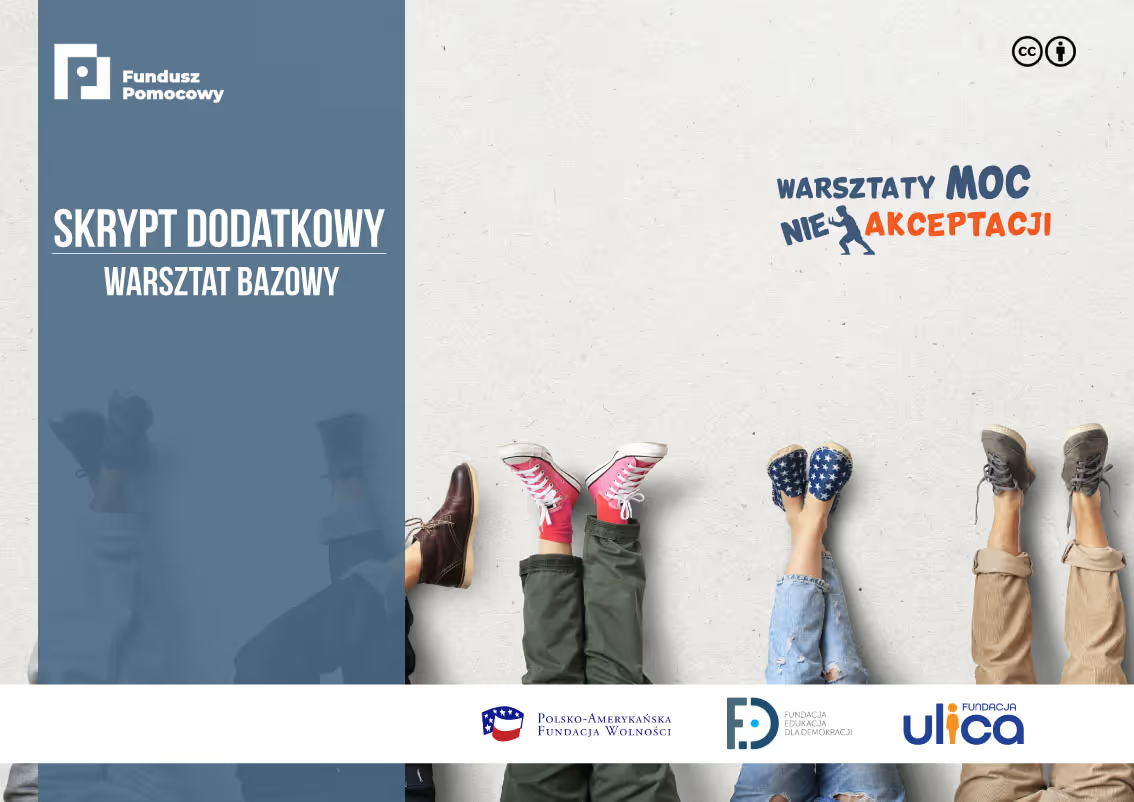
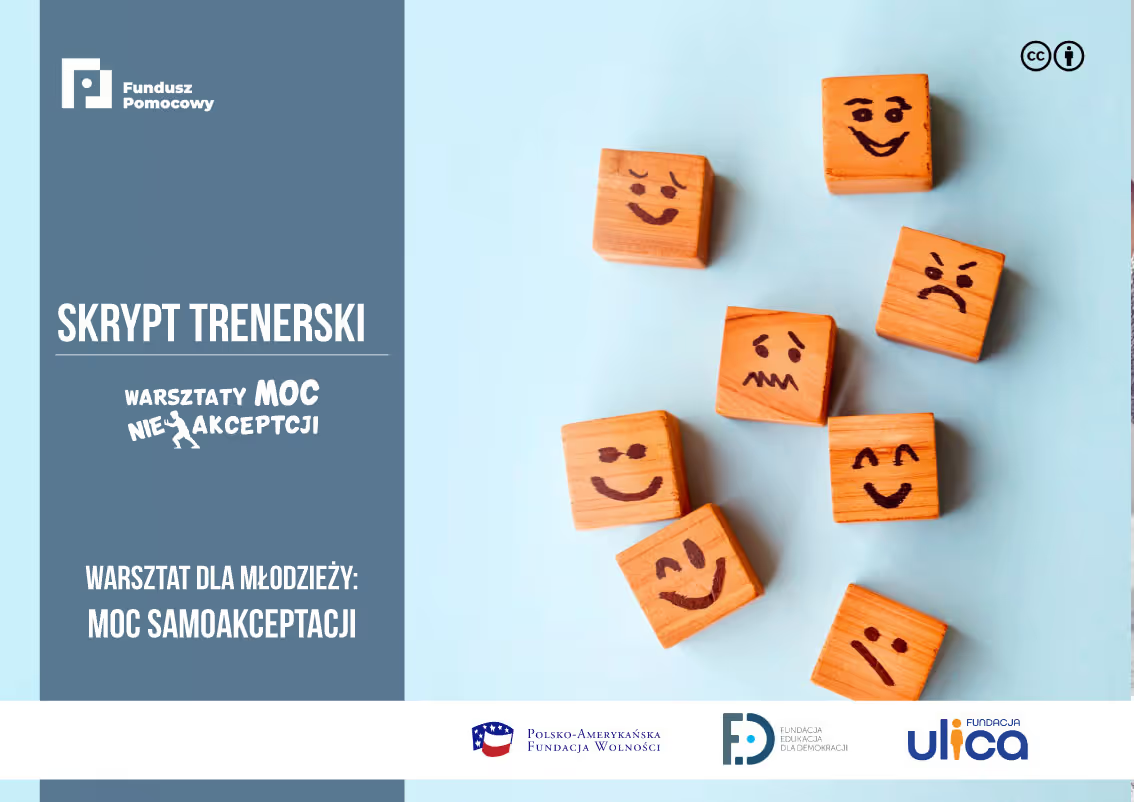
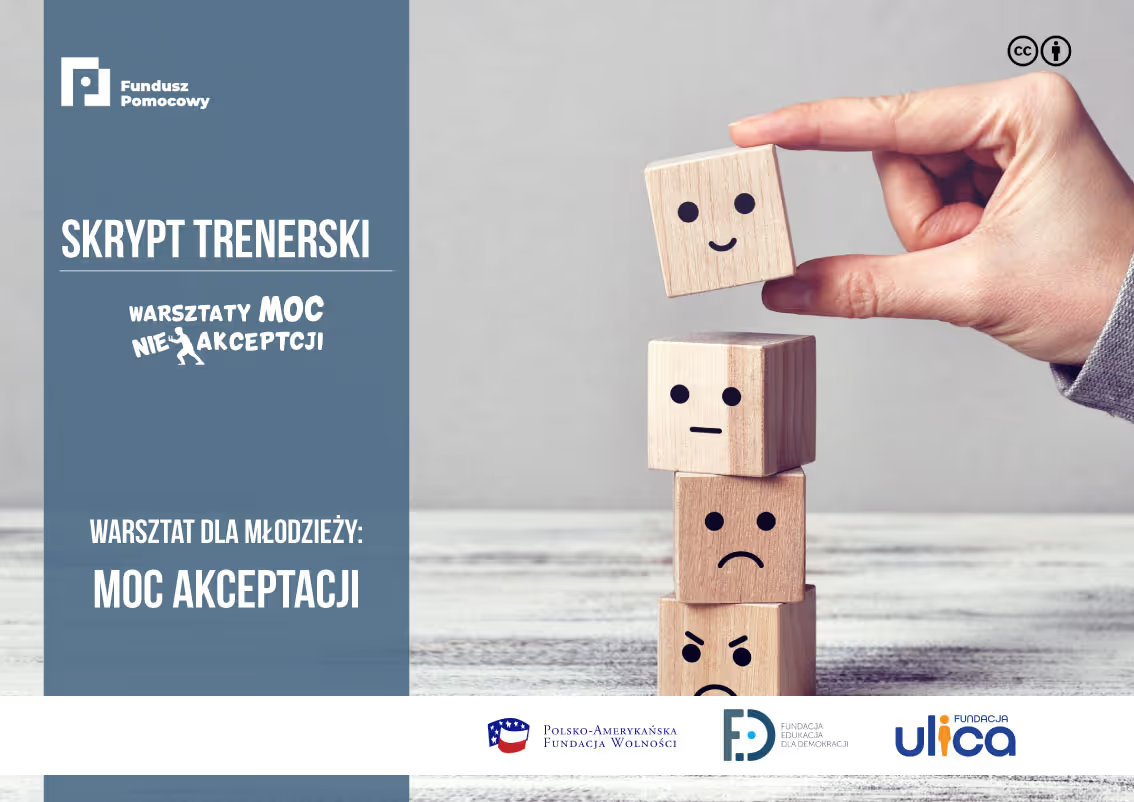
By comparing our research findings with the voices of young people, we identified two key areas that have a real impact on building their mental strength. Based on these conclusions, we developed a resilience development workshop program, which includes three training scripts—ready-to-use tools for those facilitating workshops with youth aged 12–18.
Workshop scripts: My imPOWER
Resilience study
of children and youth in the Silesian Voivodeship 2025
Every day, children and teenagers learn to cope with change, emotions, and challenges in their relationships and at school. What helps them most is resilience—the ability to find inner strength, seek solutions, and regain balance even after difficult moments. This is the skill we want to support and develop.
That is why we are launching a new edition of our resilience study in schools across the Silesian Voivodeship.
Program funder
Contact
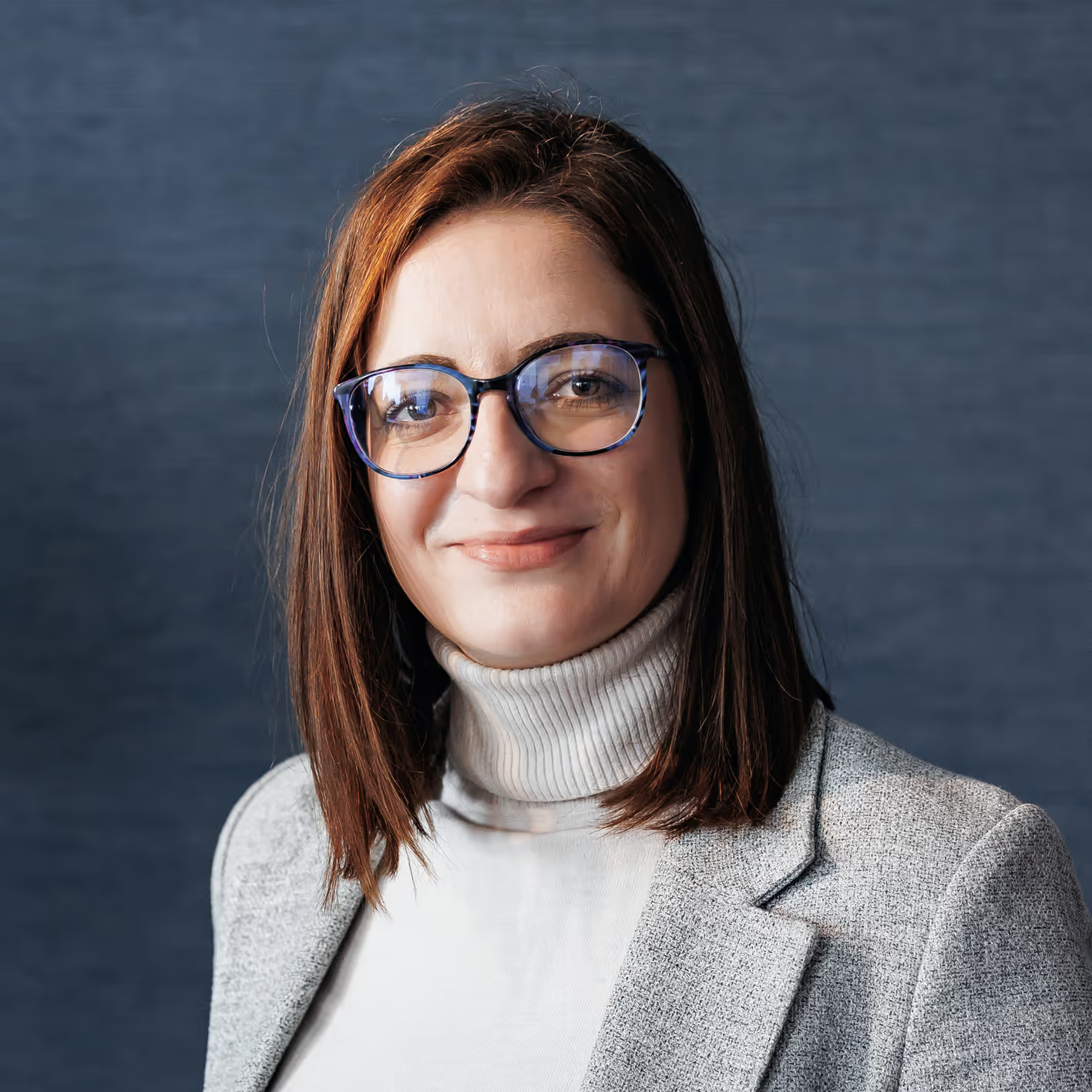
If you have any questions, please contact
Agata Gemser-Wrębiak
Director of the Dr. Ben Furman Motivational and Preventive Center
This publication is available under a Creative Commons Attribution 4.0 International license. Some rights are reserved by the authors at the ULICA Child Support Foundation and the Education for Democracy Foundation. You are free to use the content, provided you retain this license information and credit the authors as the copyright holders. The full text of the license is available here.